Website for Dentists: The 9 Things Patients Look For
Most people find a dentist on their phone, often when something already hurts. In the minute they spend on your site they want three answers: can you treat this, what will it cost, and how soon can I get in. A good website for dentists answers those questions before the patient has to call. Here are the nine things patients look for on a dental clinic website, what India’s dental ethics rules allow you to show, and how we approached it in our Pearl Dental concept.
The short answer: a website for a dentist needs to show, within a few seconds on a phone, the treatments you offer in plain words, what they cost or how you quote, who the dentists are with their degrees and registration, your timings and location, and a one-tap way to call, WhatsApp or book. Add a clear explanation of hygiene and of what happens at the first visit, real photos, and a page that loads fast. Keep every claim factual: India’s Dentists (Code of Ethics) Regulations allow dental clinic websites, including fees, as long as all information is factual.
Why a dental clinic website is different
Dentistry carries more anxiety than most healthcare. Patients worry about pain, about cost, and about being judged for the state of their teeth. Many are searching for someone else, a child or a parent. A dental clinic website that works treats those worries as the brief: it answers them calmly and gets out of the way.
It also has to work for two very different visits: the planned one (braces, a check-up, whitening) where people compare clinics over several days, and the urgent one (a broken tooth, swelling, pain at night) where they want a phone number and directions now.
The 9 things patients look for
1. The treatment they need, in plain words
List your treatments the way patients search for them: root canal, braces and aligners, implants, cleaning, whitening, kids’ dentistry, dentures. For each one, a short section on what it is, who it is for, how many visits it usually takes and what recovery is like. This is also what search engines read when someone types a treatment and a locality.
2. What it will cost
Cost is the question patients are most nervous to ask. Show fees or price ranges where you can, or explain exactly how you quote: after an examination, with a written estimate before treatment starts. The Dentists (Code of Ethics) Regulations, 2014 say dental clinic websites can carry details of the treatment facilities available and the fees for them (regulation 8.2.9), and that a dentist should announce fees before rendering service (3.8). For budgets on the website itself, see our clinic website cost guide.
3. Who the dentists are
A real photo, full name, recognised dental degrees, any specialty and the State Dental Council registration number. The 2014 regulations ask dentists to display their registration number in the clinic and to use only recognised degrees after their names (3.4.1 and 3.4.2), and they do not allow anyone to claim to be a specialist without a recognised specialist qualification (8.3.3). The website should follow the same rules.
4. Hygiene and sterilisation
Patients rarely ask about sterilisation, but almost all of them wonder. A short, specific section helps: how instruments are sterilised, what is single-use, how the chair and room are prepared between patients. Specific beats vague; “we follow strict hygiene” tells a patient nothing.
5. What happens at the first visit
Walk an anxious patient through it: registration, a conversation about the problem, the examination and X-ray if needed, then a plan and an estimate before anything is done. Explain the options for numbing and comfort in factual terms. Avoid promises such as “100% painless”; the code treats false promises in advertising as unethical (8.1.1), and patients do not believe them anyway.
6. Whether children and families are welcome
Parents search on behalf of their children and often book the whole family. Say whether you see children, from what age, and how a first visit for a child works. If you have a dentist with a recognised paediatric qualification, say so with the degree.
7. Timings, location and emergencies
OP timings by day, Sunday and evening hours, the address with a map, landmarks, parking, and what to do in a dental emergency outside hours. Put the phone number in the header of every page. This is the information an urgent patient needs, and they will leave if they cannot find it.
8. A one-tap way to book
A call button, a WhatsApp button with a pre-filled message, and a short form: name, phone, treatment and preferred date. Because the form collects personal and health information, show a clear consent line and handle the data carefully; our DPDPA checklist for clinic websites covers what that means. If WhatsApp is getting busy, read when clinics need a real booking system.
9. Real photos and a fast page
Photos of your own reception, treatment rooms and team build more trust than stock images of perfect smiles. And the whole page has to load quickly on mobile data; a patient with toothache will not wait for a slow slider. Our 7-second homepage test is a quick way to check yours.
Dental clinic website template or custom design?
A dental clinic website template can be a sensible start for a single-chair practice: it is quick and inexpensive. The limits show up as the clinic grows: treatment pages that all look the same, dentist profiles squeezed into fixed boxes, heavy themes that are slow on a phone, and a default contact form with no consent notice. A custom dental website design is built around your treatments, your team and your booking process from the start. The trade-offs are the same ones we set out for hospitals in hospital website template vs custom.
| Page or section | What it must show |
|---|---|
| Home | Phone, WhatsApp, timings, location and Book button before the first scroll; main treatments |
| Treatments | One section per treatment: what, who, visits, recovery, fees or how you quote |
| Dentists | Photo, name, recognised degrees, specialty, State Dental Council registration |
| Your visit | First-visit steps, hygiene and sterilisation, children and families |
| Book / Contact | Call, WhatsApp, short form with consent, map, parking, emergency advice |
What a dentist’s website should avoid in India
Dentists in India follow the Revised Dentists (Code of Ethics) Regulations, 2014. They allow dental clinic websites where all information is factual (8.2.9), and they treat soliciting patients, boasting of cases or cures, and self-aggrandising publicity as unethical (8.2). On 14 October 2026 the Ethics and Dental Registration Board of the National Dental Commission issued an advisory warning registered dentists against unethical social media promotion and advertising. It specifically flagged patient testimonials, before-and-after photographs, broadcasting procedures, misleading treatment claims and self-aggrandising publicity, and said established violations may lead to disciplinary action. This is not legal advice, but in practice a dental clinic website should:
- keep to facts: treatments, fees, timings, qualifications, registration;
- leave out patient testimonials, star-rating counters and before-and-after galleries;
- avoid “best dentist”, “painless” or guaranteed-result claims;
- call the practice a dental clinic unless it meets the regulations’ criteria for a dental hospital (8.10).
How we designed Pearl Dental
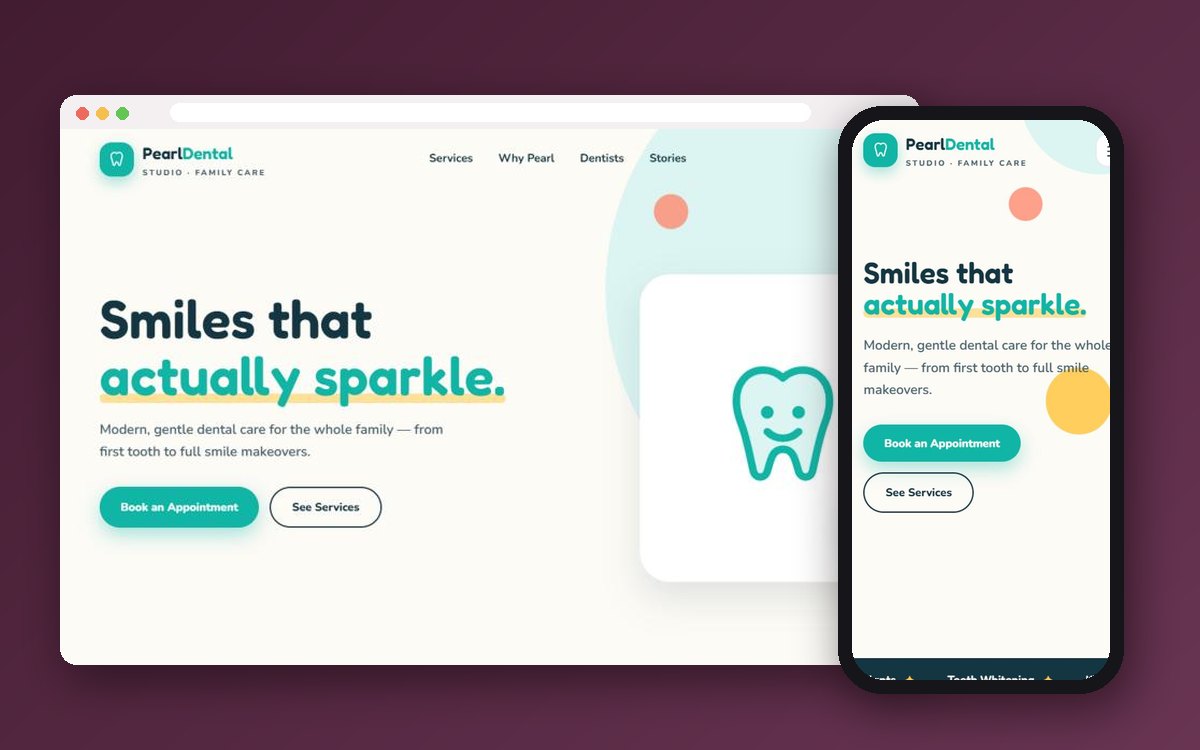
Pearl Dental Studio is a design concept in our web portfolio: a fictional family dental clinic in Chennai, built as a single friendly page. It uses a mint palette, rounded shapes and a smiling-tooth mark to feel calm rather than clinical. The first screen carries the headline and a Book an Appointment button; a scrolling strip names the treatments (braces and aligners, root canal, implants, whitening, kids’ dentistry, smile makeovers); three dentist cards show degrees and specialties; and the booking section ends with a short form that asks for the treatment and a preferred date, beside the clinic’s timings and phone number.
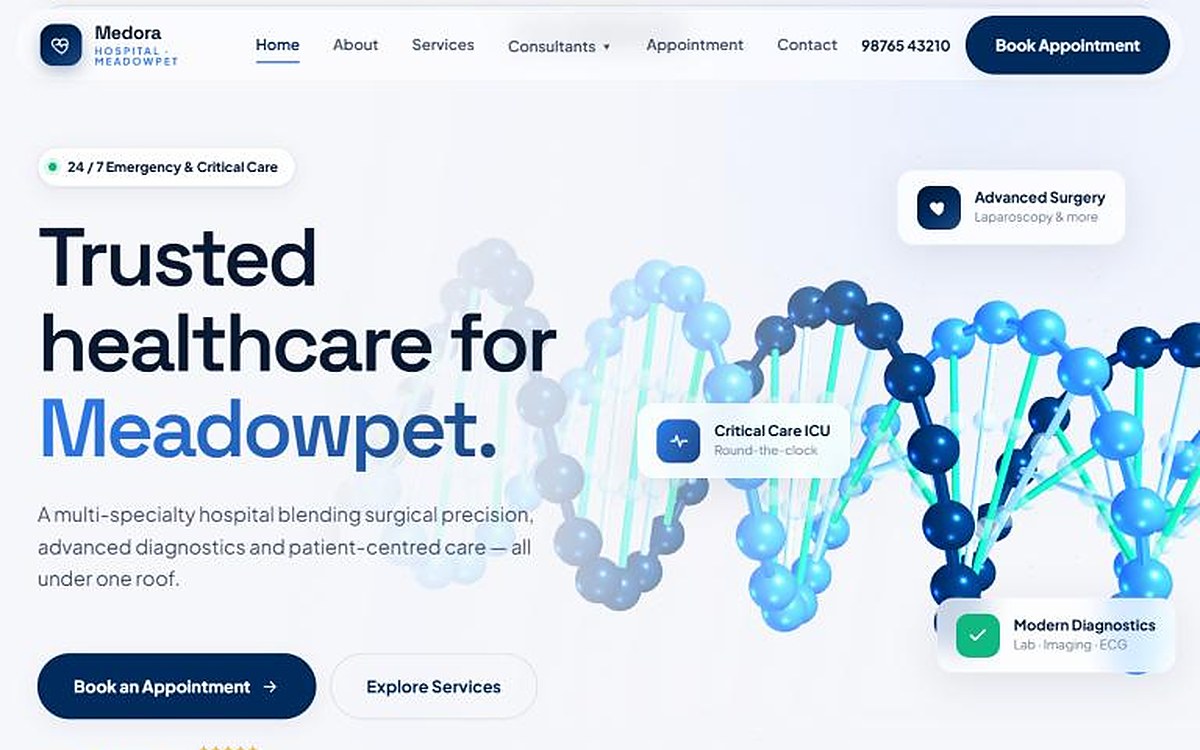
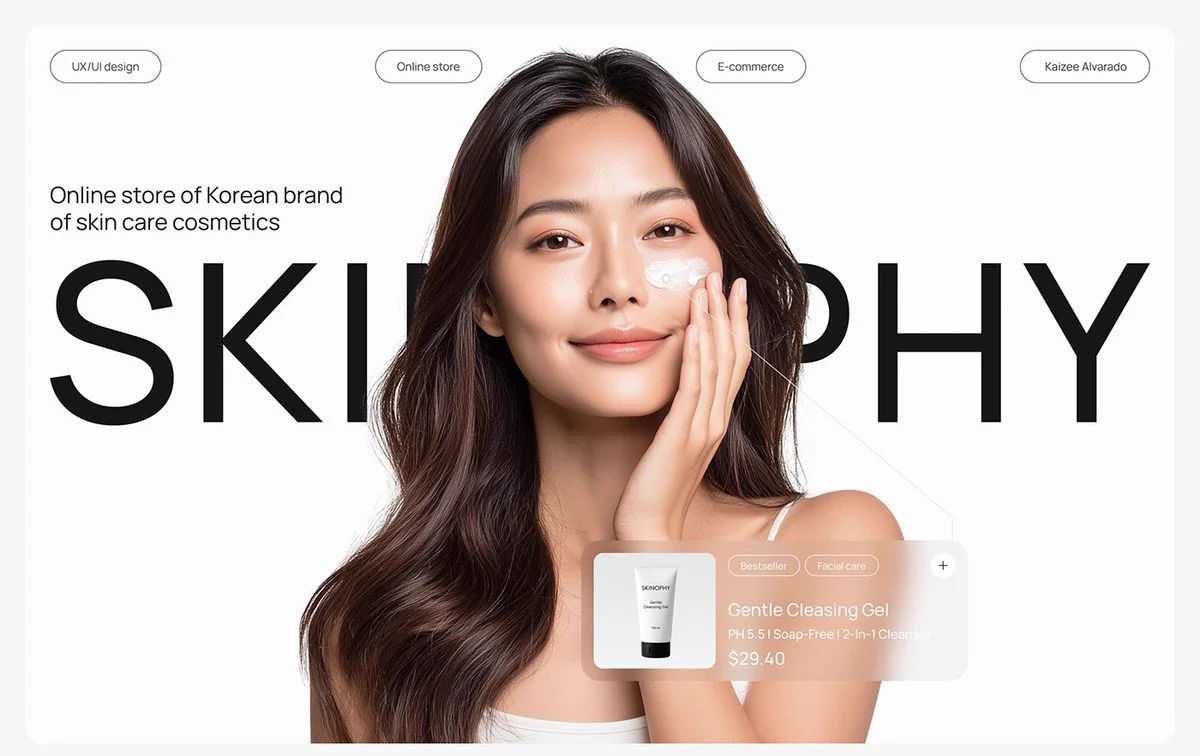
Because Pearl is a concept, it also includes sample patient stories and rating counters to show the layout. For a real clinic, given the National Dental Commission’s October 2026 advisory, we would replace those with factual content: a first-visit walkthrough, the sterilisation steps and a fee table. You can open Pearl, Medora and Lumea in phone and desktop frames on the portfolio.
We design dental website design projects from our Chromepet studio, from one-page clinic sites to multi-chair practices with treatment pages and online booking, and we keep them fast, factual and within the code. See the Pearl, Lumea and Medora concepts for three different design languages.
WhatsApp us with your clinic name and the treatments you offer, and we’ll reply with a scope and quote within one working day.
Frequently asked questions
What should a website for a dentist include?
The treatments you offer in plain words, fees or how you quote, the dentists' photos, recognised degrees and State Dental Council registration, hygiene and first-visit information, timings, location and emergency advice, and a one-tap way to call, WhatsApp or book. It should load quickly on a phone.
Can a dentist show treatment prices on the clinic website?
Yes. The Revised Dentists (Code of Ethics) Regulations, 2014 allow dental clinic websites where all information is factual, and say they can carry details of the treatment facilities available and the fees for them (regulation 8.2.9).
Can a dental clinic website show patient testimonials or before-and-after photos?
It is best not to. The code treats boasting of cases and self-aggrandising publicity as unethical, and on 14 October 2026 the National Dental Commission's Ethics and Dental Registration Board warned dentists against patient testimonials and before-and-after photographs in promotion.
Is a dental clinic website template enough?
For a single-chair practice that needs to be online quickly, a well-chosen template can work. As the clinic grows, a custom dental website design handles separate treatment pages, dentist profiles, fast mobile loading and a booking form with a proper consent notice better.
How much does a dental clinic website cost in India?
It depends on the number of pages, treatments and features such as online booking. Our clinic website cost guide sets out three tiers from about ₹15,000 to ₹5 lakh and above; most single-clinic dental websites sit in the lower or middle tier.
Should a dental website have online booking?
Yes, in a simple form: call and WhatsApp buttons plus a short request form with name, phone, treatment and preferred date. Show a consent line because the form collects health information, and move to a full booking system when WhatsApp gets too busy to manage.