12 Signs Your Clinic Website Needs a Redesign
Most clinic websites are built once and then left alone for years. Patients notice before the clinic does: the site is slow on their phone, the timings are wrong, and booking takes too many taps. These twelve signs tell you whether your clinic website needs a small fix, a revamp or a full redesign, and how to redesign it without losing the Google rankings you already have.

The short answer: your clinic website needs a redesign when patients struggle to use it on a phone, it loads slowly, booking takes more than two taps, Google and AI assistants cannot find or describe your treatments, or the content no longer matches your clinic or India’s medical advertising rules. One or two signs usually need a fix. Five or more usually mean a redesign.
Signs 1 to 4: patients find it hard to use
1. It is hard to use on a phone
Most patients look up a clinic on their phone. If they have to pinch and zoom, the buttons are too small to tap, or the menu covers the page, they leave. Open your site on your own phone and try to find your timings and book a visit with one thumb.
2. It loads slowly on mobile data
A clinic homepage should be usable within about three seconds on 4G. Run your homepage through Google’s free PageSpeed Insights test on mobile. A score below 50 usually means heavy images, old code or a slow server, and the fix is often part of a redesign.
3. Booking takes more than two taps
If a patient has to find a contact page, copy a phone number and call during office hours, many will not. A modern clinic website puts a WhatsApp button, click-to-call and a booking option on every page. Our guide to clinic booking systems explains when WhatsApp is enough and when you need a real booking system.
4. Timings, fees or doctors are out of date
Wrong timings send patients to a closed clinic. If you cannot change your own timings, doctors or prices without calling a developer, the site is built the wrong way for a clinic that changes every month.
Signs 5 to 8: Google and AI cannot read it
5. You do not appear for your treatments and your area
Search for your main treatment and your area, for example “dermatologist in Chromepet” or “dental implants in Tambaram”. If your site does not appear, check Google Search Console: a site that gets clicks only when people type your clinic’s name is not bringing in new patients.
6. All your treatments sit on one “Services” page
One page listing twenty treatments cannot rank for any of them. Each main treatment needs its own page that answers what it is, who it suits, how many sessions it takes and what it costs or how fees are decided.
7. The browser says “Not secure” or the site has no structured data
A missing SSL certificate puts a warning in front of every visitor. Missing structured data (the hidden code that tells search engines your clinic’s name, address, doctors and services) means Google has to guess. Both are basic parts of a redesign.
8. AI assistants describe you wrongly, or not at all
Ask ChatGPT, Gemini or Perplexity “Which clinics in my area offer this treatment?” and see whether your clinic appears and whether the details are right. AI assistants copy what your site says. If your pages are thin or out of date, the answers about you will be too. Our guide to AI answer engines explains what they look for.
Signs 9 to 12: it no longer matches your clinic or the rules
9. It looks dated next to other clinics in your area
Patients compare two or three clinics before they call. If your site looks older than the others, or your logo and colours have changed since it was built, it undersells the care you give.
10. Doctor profiles are missing or thin
Patients want to know who will treat them. Each doctor needs a profile with qualifications, registration number, experience and the treatments they offer, with a real photo.
11. Photos, testimonials or claims may break the advertising rules
The National Medical Commission’s advertising guidelines of 6 October 2026 changed what doctors can say and show in public, and patient details are covered by the Digital Personal Data Protection Act. Review before/after photos, testimonials, “best” claims and enquiry forms. See our photo consent framework and DPDPA checklist for clinic websites.
12. You do not own it
If the domain is registered in your old developer’s name, you have no admin access, or nobody can find the files, you cannot fix anything quickly. A redesign is the moment to move the domain into your name and get full access.
Fix, revamp or full redesign?
| What you found | Usually enough |
|---|---|
| 1 to 2 signs, for example slow speed or wrong timings | Fix: compress images, update content, add WhatsApp and click-to-call |
| 3 to 4 signs, the design still works | Revamp: new layouts and content on the same structure and platform |
| 5 or more signs, or signs 6, 11 and 12 together | Full redesign: new structure, treatment pages, design and build |
What website redesign services for a clinic include
- Audit: speed, mobile use, search performance, AI answers and the content that already brings patients.
- Page plan: treatment pages, doctor profiles, booking flow and contact details for each branch.
- Design: layouts in your brand colours and fonts, approved on screen before building.
- Build and content: fast, mobile-first pages, structured data, consent and privacy notices.
- Move without losing rankings: old addresses redirected to the new pages, then the new sitemap submitted to Google and Bing.
- Launch and handover: testing on phones, admin access for your team, and the domain in your name.
How to redesign without losing your Google rankings
Before the old site comes down, list every page that gets visits in Google Search Console. Keep those addresses on the new site, or set a permanent (301) redirect from each old address to its new page. Keep page titles that already rank, unless they are wrong. After launch, submit the new sitemap in Google Search Console and Bing Webmaster Tools, and watch clicks for the next four weeks. A redesign done this way usually keeps your rankings and then builds on them.
For indicative prices, see our guide to what a clinic website costs in India, and before you choose a team, our guide to comparing website quotes.
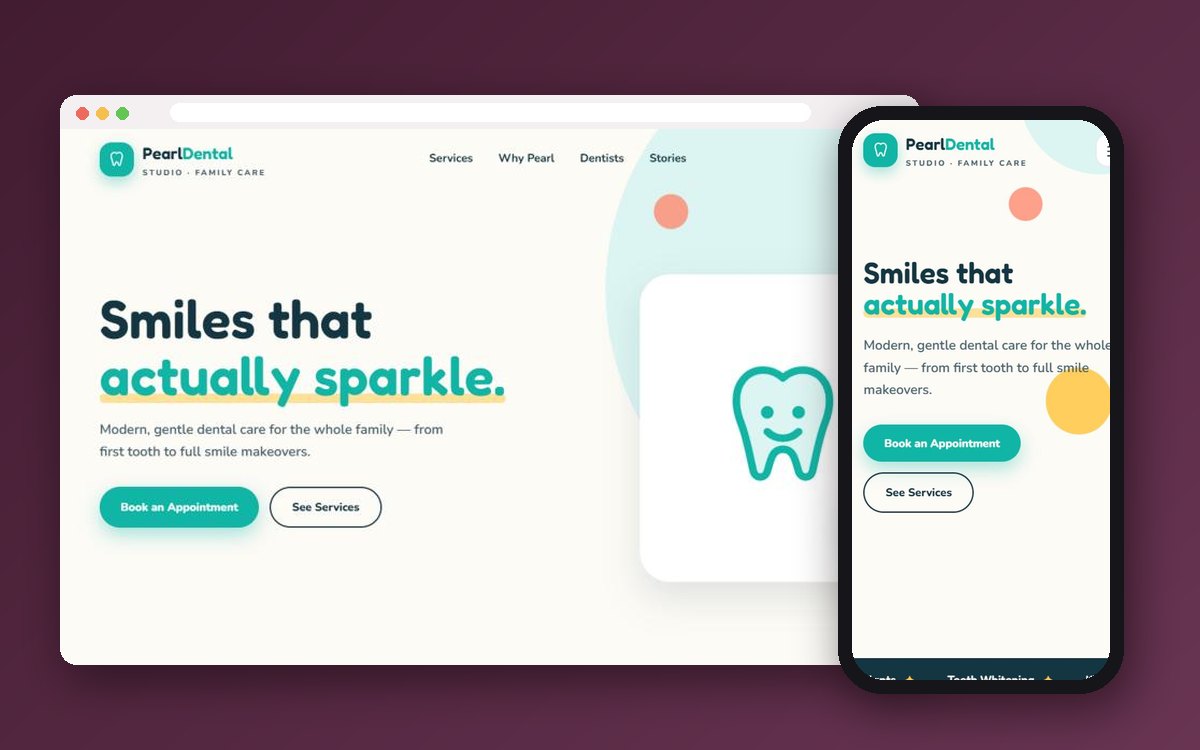
We provide website redesign services for clinics, hospitals and dental practices from our studio in Chromepet, Chennai, as a web design company for clinics. See the clinic, hospital and dental concepts and live builds in our web portfolio.
WhatsApp us your clinic’s website address, and we’ll reply within one working day with the signs we see and whether it needs a fix, a revamp or a redesign.
Frequently asked questions
How do I know if my clinic website needs a redesign?
Check it on your own phone and against 12 signs: hard to use on mobile, slow on 4G, booking takes more than two taps, out-of-date timings or doctors, not found for your treatments and area, one page for all treatments, security warnings or no structured data, wrong or missing AI answers, a dated design, thin doctor profiles, content that may break advertising rules, and no ownership of the domain. Five or more signs usually mean a redesign.
How long does a clinic website redesign take?
A small clinic or corporate site usually takes 3 to 5 weeks. A clinic platform with booking and patient flows usually takes 6 to 10 weeks. Content and feedback from the clinic are what most often decide the timeline.
Will a website redesign hurt my Google rankings?
Not if it is done carefully. Keep the addresses of pages that already get visits, or set permanent (301) redirects from old pages to new ones, keep page titles that rank, and submit the new sitemap to Google and Bing after launch. Then watch Search Console for four weeks.
How much does a website redesign cost in India?
It depends on the number of pages, custom or template design, content writing and features such as booking. Our 2026 guide to clinic website costs gives indicative ranges, and a line-by-line quote is the only way to compare offers fairly.
What is the difference between a website redesign and a website revamp?
People often use the words for the same thing. A revamp usually means new layouts and updated content on the same structure and platform. A redesign can also change the page structure, the content plan and the platform the site is built on.
Should I fix my current website or redesign it?
If you find one or two signs, such as slow speed or out-of-date timings, a fix is usually enough. Three or four signs on a design that still works suit a revamp. Five or more, or problems with treatment pages, advertising rules and ownership together, usually need a full redesign.